
Top Benefits of Installing Hot Air Hand Dryers in Commercial Spaces
Choosing the right hand-drying system affects operational costs, hygiene and user satisfaction in commercial facilities. Energy-efficient hot air hand dryers are a common alternative to paper towels; this article summarises their main advantages—energy performance, cost savings, environmental impact and user experience—to help facility managers decide.
Energy Efficiency Advantages
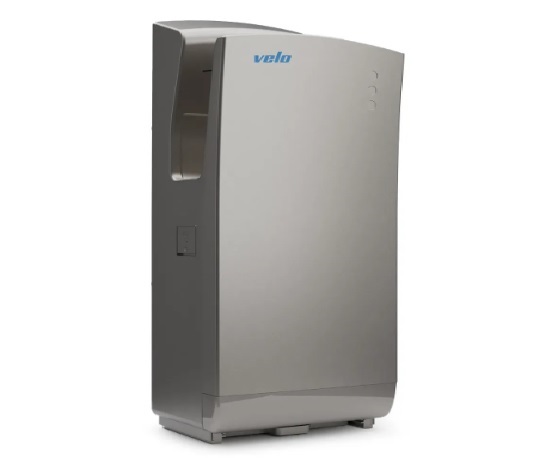
Hot air hand dryers use motors and airflow design to shorten drying time and lower energy per cycle. Many models combine high-speed air and efficient motors so drying is faster with less electricity, reducing facility energy demand and associated emissions.
Cost Savings
Financially, hot air hand dryers can cut hand-drying costs by roughly 75–90% versus paper towels, with typical annual savings of $1,800–$6,000 per restroom. Those savings come from lower purchases, storage and disposal costs for paper products.
Independent analyses reinforce the economic and environmental advantages of replacing paper towels with electrical hand dryers in public settings.
Hand Dryers: Economic & Environmental Impact vs. Paper Towels
Due to the high density of users hosted everyday, public buildings are important producers of waste and emissions of greenhouse gases (GHGs). Public restrooms play an underrated role in waste generation and GHG emissions, especially if paper towels are used as the hand-drying method. The choice of the hand-drying method (i.e., paper towels vs. electrical hand dryers) also affects the economic balance of a public institution, involving costs for the purchase of hand-drying materials/apparatuses, energy and waste disposal. The present paper aims at evaluating the economic and environmental impact of the introduction of electrical hand dryers (alternative scenario) in place of paper towels (reference scenario) in a public building.
Environmental and economic sustainability in public contexts: the impact of hand-drying options on waste management, carbon emissions and operating costs, G Coller, 2021
Operational savings can be reinvested into maintenance, amenities or energy-efficiency upgrades across the facility.
Environmental Impact
Replacing paper towels with hand dryers reduces landfill waste and the upstream impacts of paper production, such as water use and deforestation. Energy-efficient units and optional HEPA filtration further support indoor air quality and environmental goals.
Improvements in User Experience
Hot air hand dryers offer a touch-reduced, hygienic drying method that many users prefer for speed and cleanliness. Modern designs reduce contact points and waste, lowering the potential for germ transmission in busy restrooms.
Studies consistently highlight hygienic and economic benefits of modern hand-drying systems across a range of public and sensitive environments.
Hygienic & Economic Benefits of Hand Drying Products
The effectiveness of sterilized and clean hand-drying products in surgical hand disinfection was evaluated, along with assessments of their hygienic and economic benefits.
Is sterility essential for hand-drying products in surgical hand antisepsis? A controlled before-and-after study, 2025
Faster drying and no waste streams typically improve user satisfaction and reduce cleaning demands for facility staff.
How Do Energy Efficient Hand Dryers Reduce Operational Costs in Commercial Facilities?
They cut electricity per dry cycle and eliminate most paper-towel purchases, delivering significant reductions in ongoing supply and waste costs for commercial restrooms.
What Are the Energy Consumption Metrics of Velo BigFlow and Thin Hand Dryers?
Velo models commonly operate in a 500–1,500 W range depending on settings; efficient use patterns support modest annual energy savings per site.
How Does Reduced Energy Use Translate to Cost Savings for Businesses?
Lower energy demand and reduced paper waste shorten payback periods—many facilities see returns within one to two years through utility and supply savings.
What Hygiene Advantages Do Hot Air Hand Dryers Offer Over Traditional Paper Towels?
Hand dryers remove the need to touch dispensers or waste bins and reduce moisture that can harbour microbes; high-velocity models and filtration further limit contamination pathways.
How Do Velo Hand Dryers Improve Commercial Restroom Hygiene Standards?
Velo units lower touchpoints and, where fitted, HEPA filtration helps ensure the drying air is cleaner, supporting sanitary conditions.
What Are the Health Benefits of Using Touch-Free Hand Drying Solutions?
Touch-free operation reduces cross-contamination risks by removing physical contact from the drying process, limiting transmission routes for pathogens in public spaces.
How Do Hot Air Hand Dryers Contribute to Environmental Sustainability in Commercial Spaces?
They reduce paper consumption and associated lifecycle impacts; choosing energy-efficient models further lowers electricity demand and improves sustainability metrics.
In What Ways Do Hand Dryers Reduce Paper Waste and Environmental Impact?
By replacing disposable towels, hand dryers cut landfill volumes and the resource demand tied to paper production, notably forestry and water use.
What Certifications and Standards Validate Velo’s Eco-Friendly Hand Drying Solutions?
Velo products are designed to meet recognised eco and energy-efficiency standards, including LEED-relevant criteria and international performance guidelines that support sustainability reporting.
What Are the Key Installation and Maintenance Considerations for Commercial Hand Dryers?
Plan for electrical access, secure mounting locations and appropriate user height. Regular cleaning and scheduled filter checks preserve performance and extend service life.
What Is the Typical Cost Breakdown for Installing Velo Hot Air Hand Dryers?
Prices vary by model (for example, lower-cost units around $500 and higher-spec models near $1,000–$1,200). Evaluate these upfront costs against expected operational savings.
How Does Velo Ensure Easy Maintenance and Long-Term Durability?
Velo designs prioritise durable construction and simple maintenance routines; routine cleaning and adherence to service guidance keep units reliable in commercial use.
Conclusion
Installing hot air hand dryers in commercial spaces can improve energy efficiency, reduce operating costs and enhance user experience while cutting paper waste. Selecting energy-efficient, well-specified units and following installation and maintenance best practices ensures measurable operational and sustainability gains for businesses.